
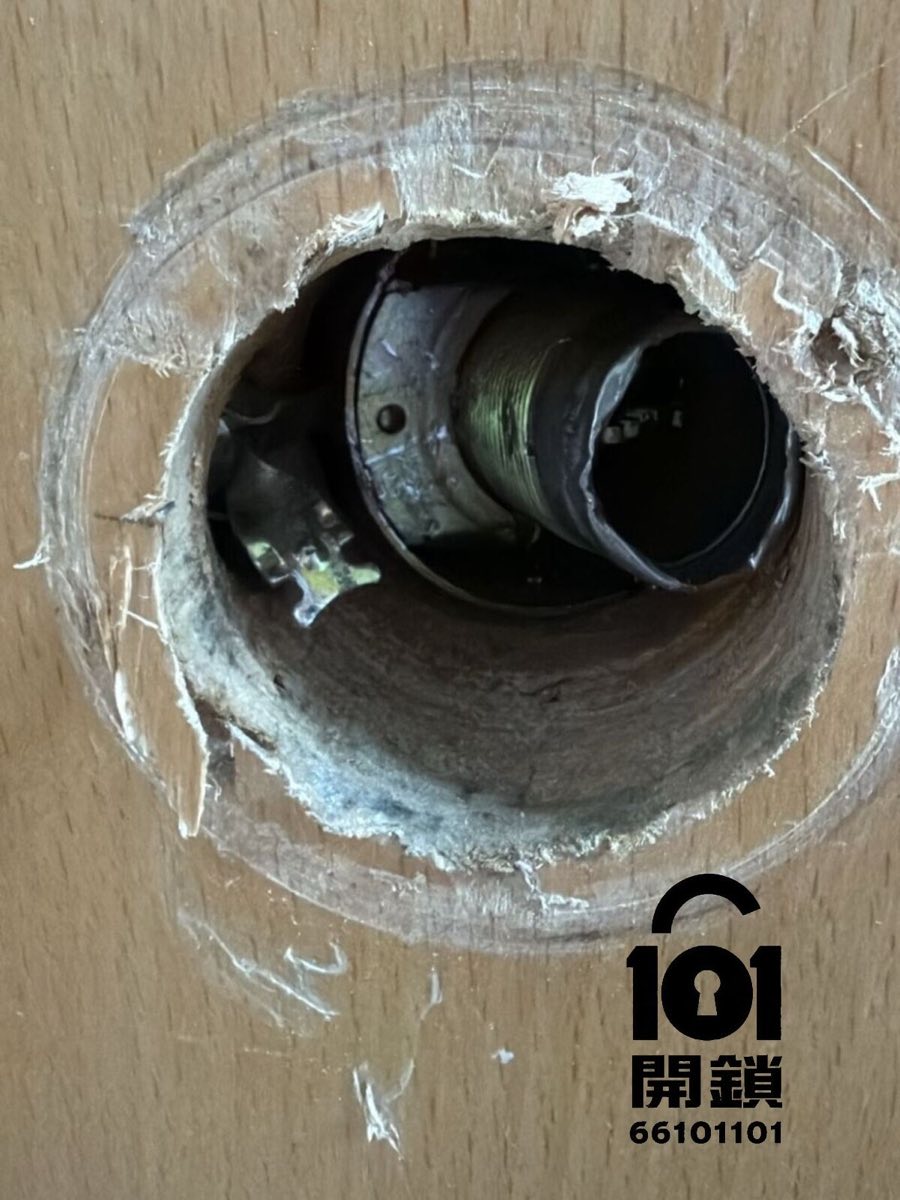
The door lock is broken. Is it not recommended to remove the lock immediately?
Before knowing the location of the fault, careless disassembly or prying of the door may amplify the problem.
A broken door lock is really troubling, especially when the door is locked and luggage or keys are left in the room. It is more likely to follow online videos to remove the lock out of impatience. The problem is that door locks with similar appearance can have different internal structures, hole positions and disassembly directions; if the judgment is wrong, a failure that originally only requires adjustment or replacement of parts may lead to damage to the lock body, door handle, door frame and even the wooden door.
Four common misunderstandings about door locks
Different lock types and site conditions vary, so all door locks cannot be generalized.
"Remove two screws and fix it"
Depending on the design of the horn lock (bead lock/ball lock) or handle lock, the lock may have a latch spring, square core, transmission part, lock cylinder or button mechanism. It's easy to take apart, but it may not be able to be reset correctly.
"You will definitely get it if you pry hard"
Incorrect application of force may cause the tool to deform, break the tool, or damage the door frame. Whether the door can be opened in a less damaging way depends on the lock type, locking status and parts damage.
"You can study it slowly"
If it cannot be restored after self-disassembly, the door may not be closed or locked, which will also increase the time and cost of arranging parts and subsequent maintenance.
"If you know how to install, you will know how to repair."
Installing a complete new lock and diagnosing a bad lock are two different tasks. Maintenance requires identifying which part of the door handle, square core, lock body, tilt, lock cylinder or door frame has the problem.
Is the door lock structure really simple?
The answer depends on the lock type; not every door lock has the same parts.
Horn lock/bead lock/ball lock
Commonly found in bedrooms, storage rooms or toilets, the door handle, button, latch and internal transmission structure are concentrated in a set of locks.
Handle lock
Press down the handle to drive the tilt; if the door handle is loose, the square core or the rebound mechanism fails, "it can be twisted but cannot be opened".
Lock body and slope
Depending on the model, it may include latch tongues, square tongues, springs, transmission parts or lock cylinders. Sagging door hinges and misaligned door frame locks will also put pressure on the slope.
The door lock cannot be opened: What are the possible consequences of picking it randomly?
Oblique deformation, damage to wooden doors and tool slippage are all risks that should be paid attention to when forcibly handling.
Repeatedly applying force with a screwdriver or a hard card may cause the door frame to tilt or deform, making it more difficult to open the door later.
Prying the door, drilling screws or knocking on the lock body may scratch the surface, cause the holes to slip or the wood to burst. The scope of repair is no longer limited to just one lock.
Slipping screwdrivers, metal edges, springs or fragments all pose a risk of injury; disassembly should not be forcible without suitable tools and protective equipment.
The hidden cost of "slowly fixing it": the door may be harder to use
Processing time depends on whether the part has been disassembled, actual lock type, extent of damage, and accessory availability.
- Luggage, documents, keys or daily necessities may be left in the room when the door is locked.
- The door can still be opened, but it cannot be reinstalled after the lock is removed, and it may become impossible to close the door or lock it.
- After incorrectly drilling or prying the door, the master must deal with the additional damage first and may not be able to only repair the original fault.
- Different bead locks, handle locks or old door locks may not have immediately compatible parts, so you need to confirm the size first.
Knowing how to install a door lock does not mean knowing how to open and repair it.
Complete installation and fault diagnosis have different goals and require different judgments.
Start from complete parts
Fix and test the complete lock according to the specified model instructions, door thickness, hole position, lock distance and door opening direction.
Find out the source of the fault first
Determine whether the problem comes from the door handle, square core, lock body, slope, lock cylinder, door hinge or door frame, and then decide to adjust, replace parts or replace the lock.
Self-repairing door locks, the most direct risk is injury
Metal sharp edges, slipping tools, and undersized parts can all cause injuries. There is no need to exaggerate individual cases to judge risks.
Case in which the operation should be stopped
- Door handles, slants, or metal parts have broken and exposed sharp edges
- You need to use a hammer, electric drill or forcefully pry the door to continue
- Screws have slipped, tools are not the right size, or parts have begun to fall apart
- The door body is stressed, the door hinges are sagging, or there are cracks on the edge of the wooden door
- I don’t know the disassembly direction of the bead lock, handle lock or lock body
Common erroneous operations when the door lock fails
The following four types of operations may amplify the original fault and make subsequent judgments more difficult.
Hard prying tool
Forcibly prying with a screwdriver may cause the tool to bend at an angle, get stuck in the lock, and may easily cause the tool to slip off.
Removing screws without recording
Removing the wrong fixings may cause the spring, square core or transmission parts to shift, making it difficult to confirm the original fault later.
Knock the lock body with a hammer
Knocking may cause damage to the lock cylinder, lock body or door edge wood, but does not prove that the stuck parts have been released.
Copy the online lock-picking teaching
The lock type, door opening direction and slanted design in the video may not be the same as those commonly seen in Hong Kong residential door locks.
Correct approach: send photos and confirm the plan first, and then arrange door lock maintenance
Before finding a suitable locksmith, sort out photos, quotation questions and required authorization information.
- Describe the door statusDescribe whether the door can be opened, whether the door handle and key respond, and whether luggage or keys are left in the room.
- Send lock photosProvide a full picture of the outside of the door and a close-up photo of the door handle; when the door is open, take a photo of the door edge, the lock body and the door frame lock.
- Preliminary identification of lock typeConfirm whether it is a bead lock, ball lock, handle lock or other lock body, and whether the fault may be from the lock or the door hinge/frame.
- Confirm quotation before constructionAsk about arrival, time slot, opening, maintenance, parts and lock replacement costs, and understand how to deal with additional problems found on site.
- Test after completionTest the internal and external door switches, door handle rebound, tilt alignment, locking function and available keys.
101 Locksmithing room door lock service process
From the initial understanding, pre-construction quotation to post-completion testing, every step should have verifiable conditions; even if you inquire about 24-hour unlocking, you should first ask about the time period, area and charging arrangements.
Understand the situation first
Make preliminary communication based on the door photo, lock type, region, time period and fault response.
Confirm charges before construction
Describe the expected process and costs first; if the on-site conditions are different, they should be confirmed before adding more work.
Compare repair vs. replacement
After opening the door, indicate whether the lock can be repaired or the lock needs to be replaced according to the original lock status, spare parts supply and safety.
Test after completion
Check the status of door handles, tilts, keys, and door switches, and provide appropriate usage suggestions.
View the fee reference for unlocking, repairing and replacing locks →
Room door lock maintenance summary
First identify the symptoms, stop forcibly prying, and then open, repair or replace the lock according to the actual lock type.
The door lock is broken, judge first instead of removing it first
Failure to open the door lock does not necessarily mean that the entire set of door locks is reimbursed; it may involve door handles, tilts, lock bodies, lock cylinders, door hinges or door frame alignment. Avoid forcing the door open when it is locked; keep the door open when it can still be opened, take photos of the lock and size information, and then compare options for unlocking, repairing or replacing the door.
Frequently asked questions about door lock broken
Answers questions about unlocking, DIY, slash profit and quotation using common search terms from Hong Kong users.
Is the door lock broken?
First confirm whether the door can be opened, and how the door handle, key and tilt react. When the door lock is locked or the door is locked from behind, do not forcefully pry the door; if the door can still be opened, keep the door open first, take pictures of the inside and outside of the door lock and the slope of the door edge, and then compare repair or replacement options.
If the door lock cannot be opened, do I have to change the lock?
Not necessarily. The fault may come from the door handle linkage, lock body, tilt, lock cylinder, door hinge or door frame alignment. After opening the door and confirming the original lock status, you can determine whether it can be repaired or needs to be replaced.
It’s stuck at an angle. Can I use a screwdriver or card to pry it open?
It is not recommended to use a screwdriver, card or wire as a universal method for all door locks. Bead locks, ball locks, handle locks (also often called handle locks) and slopers have different structures. Wrong application of force may cause the sloper to deform, break the tool, or damage the door frame.
What are the differences between door lock repair, unlocking and replacement?
The goal of unlocking is to restore access; maintenance is to deal with looseness, wear or misalignment if it can be inspected; door lock replacement is to remove locks that are not suitable for continued use and install new compatible locks. The required processes, parts and charges for the three are different.
What information do I need to provide when inquiring about door lock repair in Hong Kong?
It is recommended to provide the area, whether the door can be opened, door handle and key response, full photos of the inside and outside of the door, and photos of the door edge and door frame lock when the door is open. The rental unit or office should also prepare relevant authorization information.
Related door lock articles
Continue reading according to the lock type or fault symptoms to reduce duplication with other articles on the site.