
1. Door type and opening direction
Wood, stainless-steel and fire-rated doors have different structures. Left/right handing and inward/outward opening affect lock choice. Sliding doors may not be suitable.
Hong Kong door-lock upgrade guide
A Jimmy-proof deadlock is often considered by people replacing a traditional three-bolt lock. Whether it can be fitted with minimal door work depends on the actual door, backset, openings and frame alignment—not the lock name alone.
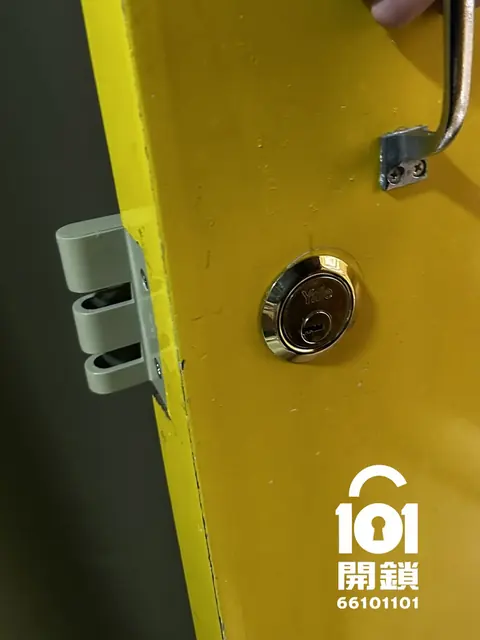
“Direct replacement” means fitting a new lock body without extensive changes to the door. Feasibility depends on the dimensions of the door and lock.
When a Jimmy-proof deadlock may be suitable: the door already uses a multi-bolt arrangement, the lock position and door thickness allow enough room, and the bolts align with the frame strike. Even similar-looking locks can have different holes, handing and backsets.
The name is commonly used for this deadlock style because its interlocking bolt arrangement is designed to offer a robust mechanical engagement. Some models can use hardened components or saw-resistant bolts, but security depends on the lock body, cylinder, frame and installation quality—not marketing claims alone.
They determine installation difficulty, the scope of door work and the final quote.
Wood, stainless-steel and fire-rated doors have different structures. Left/right handing and inward/outward opening affect lock choice. Sliding doors may not be suitable.
A 60 mm backset and a 32 mm opening are common Jimmy-proof deadlock references, but not universal specifications. Check the cylinder opening, handle position and thickness together.
The bolts must enter the strike accurately. A distorted frame or sagging hinges need correction first; changing only the lock will not solve an alignment problem.
Not every Jimmy-proof deadlock has the same security features. Confirm the actual cylinder, lock body and installation method.
This is a practical comparison, not a fixed specification for every lock brand or model.
| Item | Traditional three-bolt lock | Jimmy-proof deadlock |
|---|---|---|
| Operation | Commonly a latch plus two deadbolts | Usually two locking stages |
| Opening resistance | May be vulnerable to bypass-style attacks, which can limit the benefit of a good cylinder. | Requires professional, non-destructive locksmith assessment; difficulty depends on the cylinder. |
| Compatibility | Existing opening positions and dimensions are often similar. | May need less door work when compatible; otherwise holes or frame alignment may still need adjustment. |
| Suitable for | Users whose current lock works well and who have no upgrade need. | Users seeking a higher-security configuration while keeping a familiar lock style. |
Swipe horizontally on mobile to see the full table.
Online dimensions are only a starting point. Specifications vary by plate and model, so measure the existing lock and confirm the new lock’s data.
Send photos for a compatibility assessment before arranging an on-site measurement.
DIY is suitable only for people who understand lock structure, measurements and frame alignment. For most residential doors, confirm compatibility first.
Identify the door type and lock type, and look for deformation, wear or sticking.
Check the backset, thickness, openings and cylinder length before purchasing a suitable Jimmy-proof deadlock.
Confirm the cylinder operates the lock smoothly and the bolts align with the frame strike.
After installation, check that the cylinder, strike and lock body are secure and that opening and locking action is smooth.
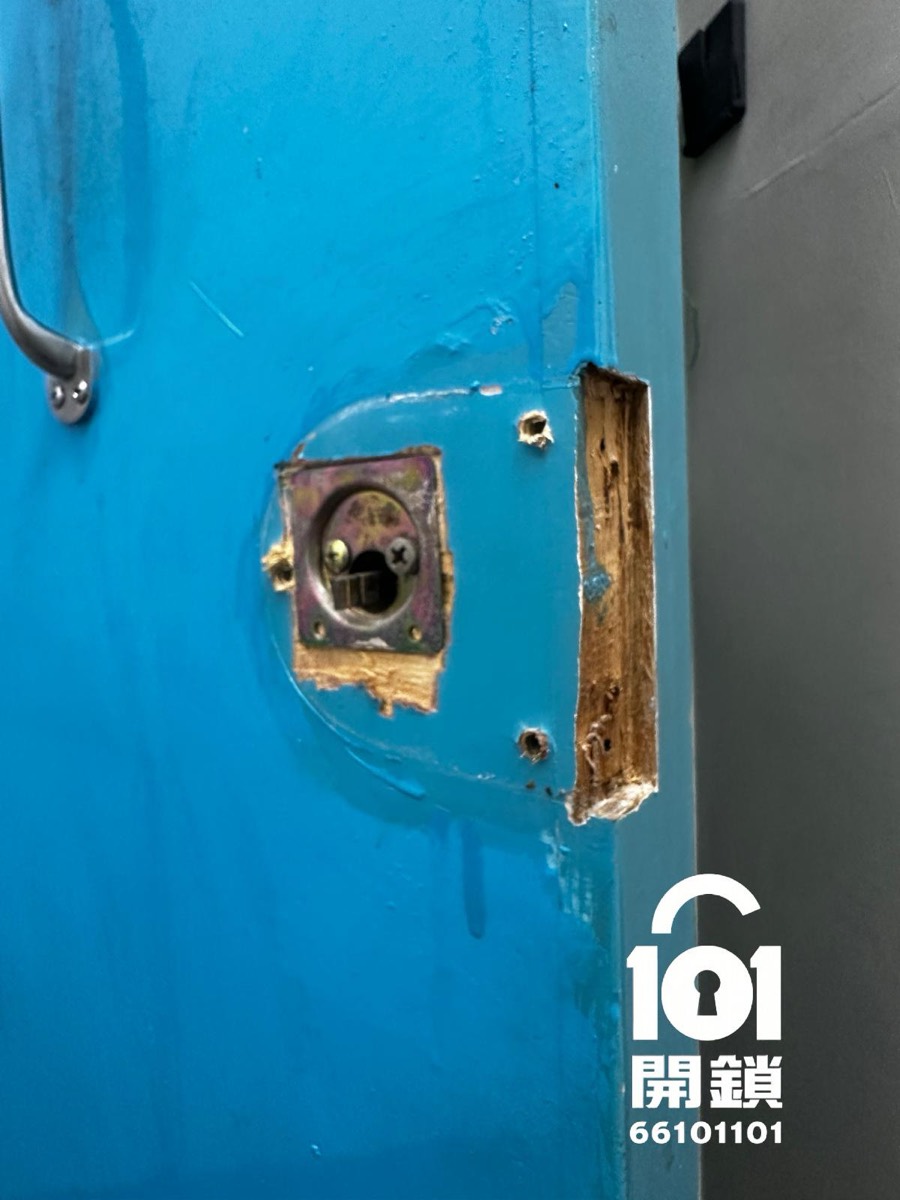
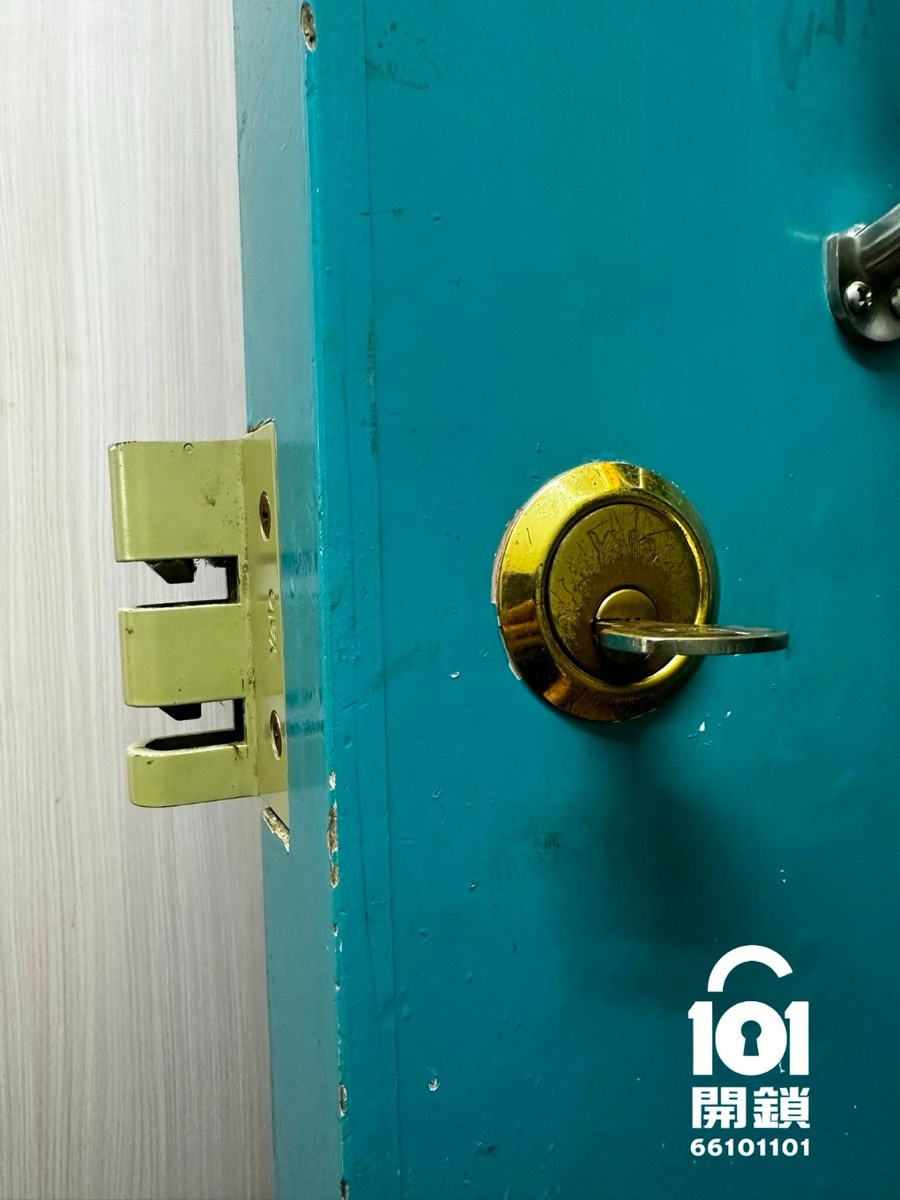
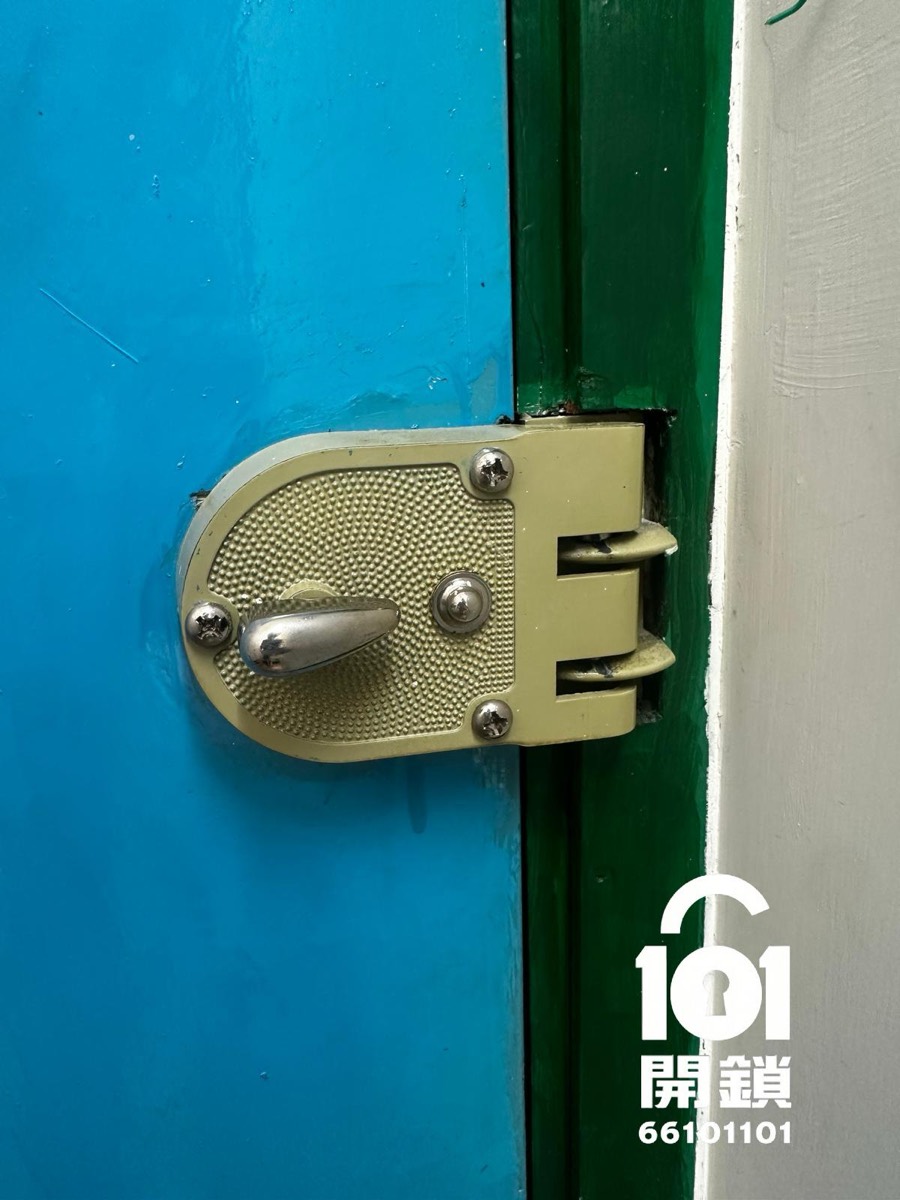
These photos show the same installed lock in normal, double-lock and non-auto-function states.
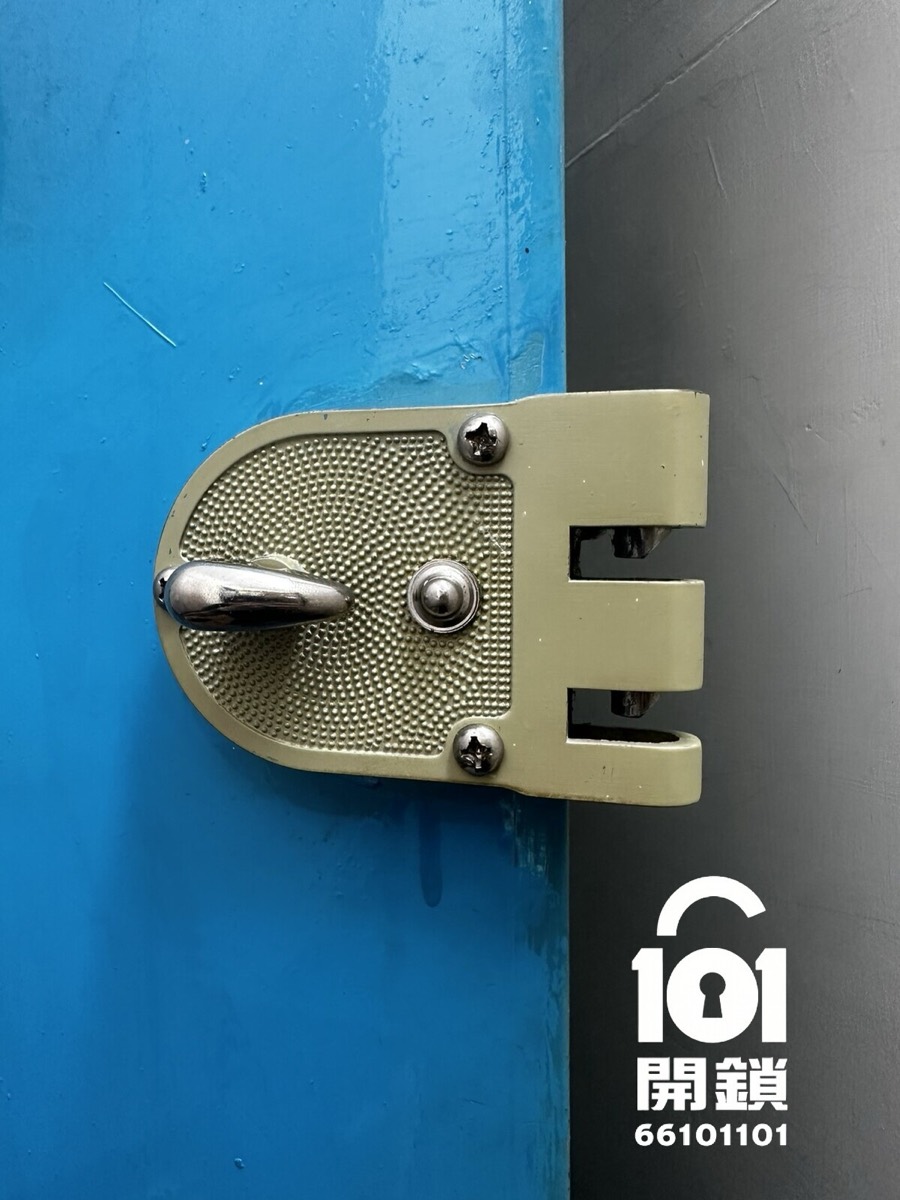
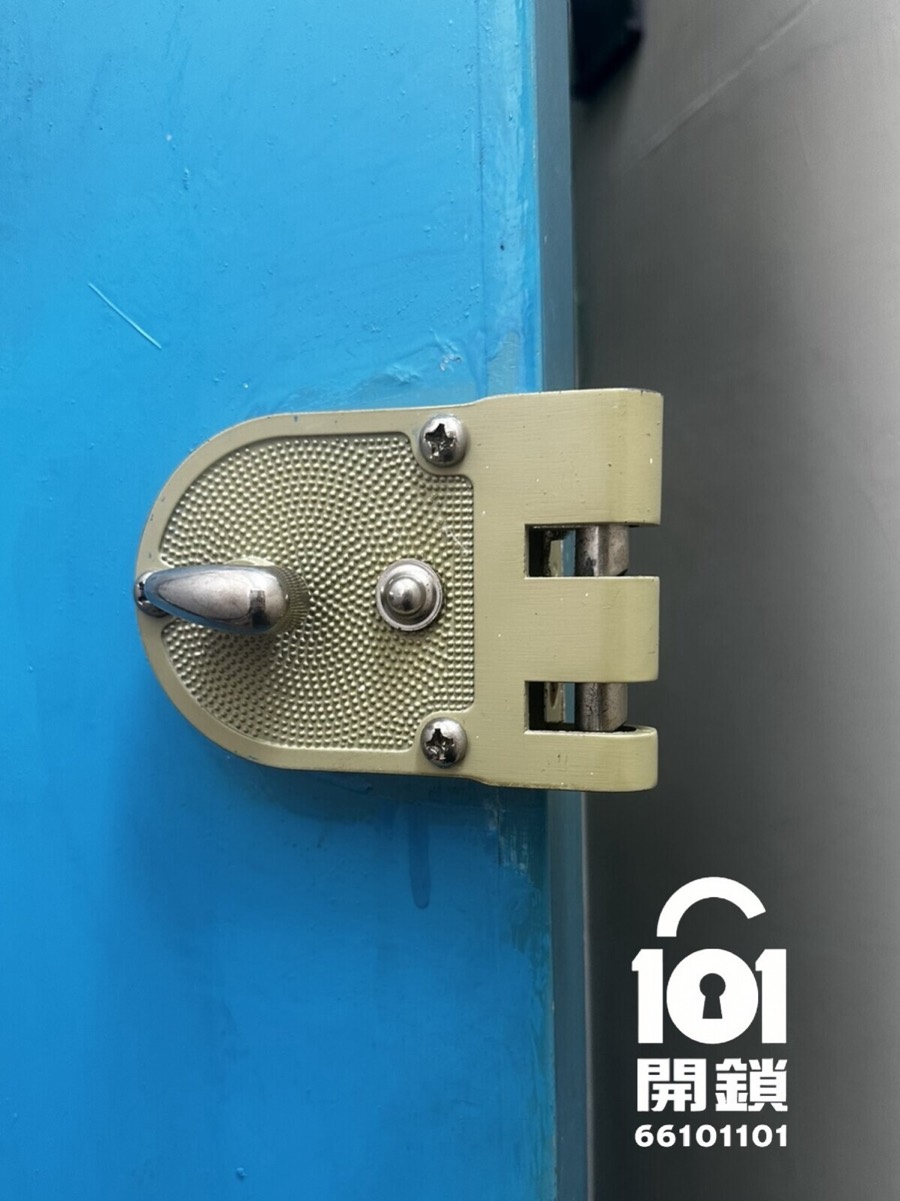
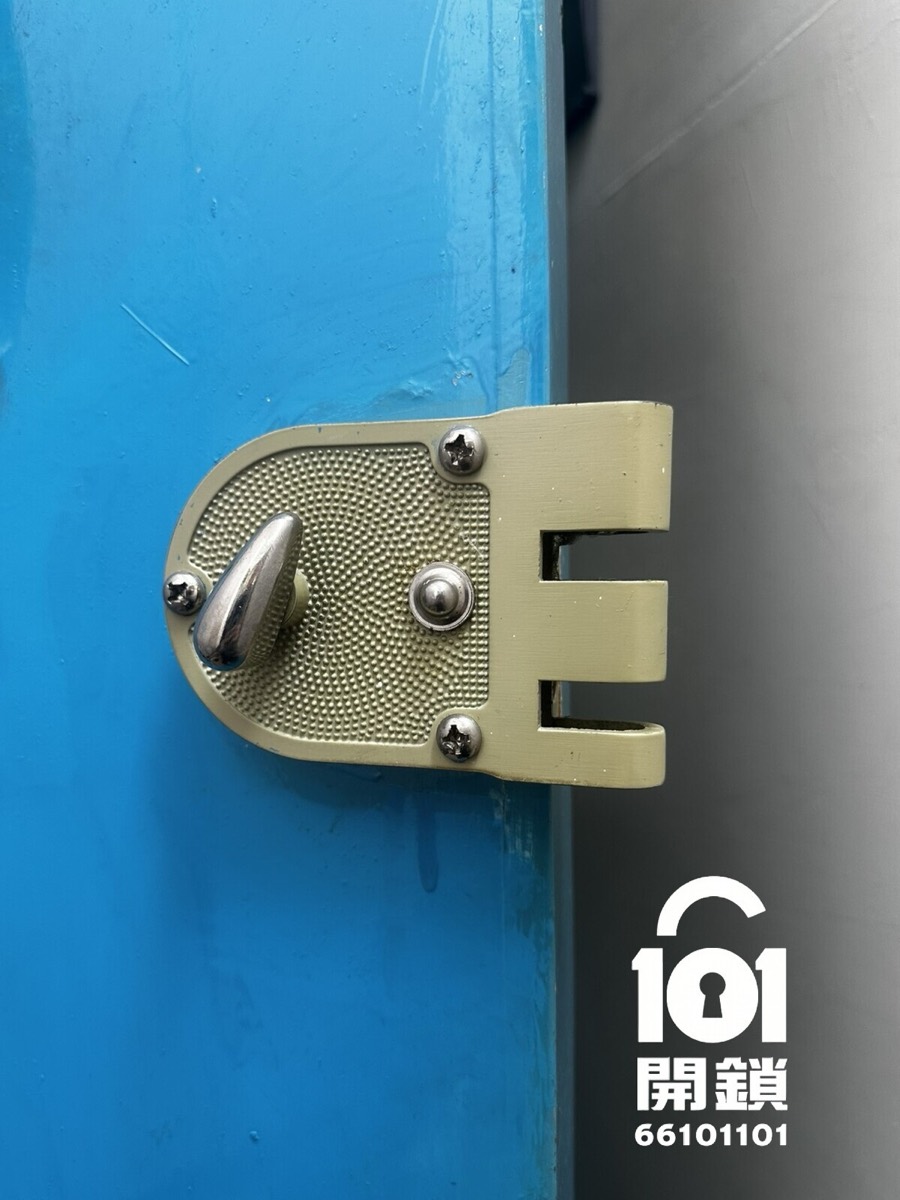
For unusual doors or fire-rated doors, follow the relevant building-management requirements.
No. Door type, opening direction, backset, existing openings, thickness and frame strike all affect compatibility. Photos or measurement are needed first.
Send: ① the outside lock with the door open, ② the lock body on the door edge, and ③ the inside lock with the door open. Photos speed up assessment and quotation.
No. They meet different needs. A Jimmy-proof deadlock suits people who prefer a mechanical lock style; a digital lock prioritises keyless access and entry management.
Confirm before installation
Send photos for an initial compatibility check before arranging an on-site measurement, helping to avoid unnecessary door work.
Photos help with the initial discussion; the final recommendation depends on the on-site door and lock condition.