
Check first: when should you stop trying DIY?
Protecting the lock and key matters more than forcing it. These are safety reminders only and do not replace an on-site inspection.
Reduce pressure on the door first
If the key or thumbturn feels under pressure, only try a gentle push or pull on the door without forcing it. Stop if it does not improve.
Do not remove the faceplate casually
Removing parts before confirming the structure may loosen fixings, lose parts or make the door unsafe to close.
Record the symptoms before enquiry
Do not show key cuts or address details in photos. Clear photos help identify whether the cylinder, handle or lock body is likely involved.
12 common euro profile lock / cylinder faults
The following is organised by observable symptoms. There may be more than one cause, so take safe actions first to avoid further damage.
1. The plug is aligned, but the key will not insert
This may relate to debris in the keyway, cylinder wear or key condition. Do not push objects into the keyway or force the key in.
Send photos for initial assessment: cylinder front and key condition2. The plug is not returned to position, so the key will not insert
If the plug has not returned to the insertion position, forcing the key in or out may make the issue worse.
Safe check: do not add force when turning or pulling3. Master / red-green-yellow key inserts but will not turn
A master key or green/yellow key may stop working after the owner key or red key has been activated. Do not keep forcing the key, as it may snap and jam inside.
Stop DIY: avoid snapping and jamming the key4. The cylinder controls the latch, but the handle does not
The handle spindle, handle set or lock body may need checking. If the door is open, do not close it in case it jams shut.
Send photos or video for an initial assessment5. After closing, the latch does not spring out and the door bounces open
Strike alignment, sagging hinges, latch condition or lock-body spring condition may be involved. Do not repeatedly slam the door.
Check the frame strike to locate the issue6. The inner plug is pulled out
The plug retaining position has loosened. Even if it appears possible to push it back, it does not mean it is safe to keep using.
Stop DIY: do not repeatedly insert and pull7. The cylinder spins freely
The cylinder drive part may be faulty. Spinning does not always mean only the cylinder needs replacement; the lock body may also need checking.
Stop DIY: cylinder and lock body need checking8. The cylinder spins, but the cylinder itself works normally
Internal lock-body parts may be faulty. Do not assume replacing the cylinder alone will fix it based on feel.
Send photos for initial assessment: cylinder, handle and door-edge lock body9. The whole cylinder is pulled out or clearly loose
Possible causes include fixing-screw installation issues or damaged parts. Do not force it back in or continue locking the door.
Stop DIY: avoid cylinder detachment10. With the door open, the latch does not spring out normally
If it still fails while the door is open, the lock body or spring condition is more likely involved and should be checked.
Send photos for initial assessment: door-edge lock body and latch11. With the door open, the deadbolt cannot extend or retract normally
Abnormal deadbolt operation may involve the lock body. Do not force the key, as it may break or fully jam the lock body.
Stop DIY: arrange lock-body inspection12. With the door open, the key is hard to remove
The key or cylinder may be worn. If the key is stuck or feels close to breaking, do not apply more force.
Stop DIY: avoid leaving a broken key in the cylinderWhat is a euro profile lock / cylinder?
“Euro profile lock” usually refers to a door-lock system using a euro profile cylinder. The complete lock can also include the lock body, plates, handles and linked mechanisms.


Euro profile cylinder
Driven by a key or indoor thumbturn to move the deadbolt and latch.
Lock body
Contains the latch and deadbolt; some locks include top/bottom bolt linkage.
Plates and handle
The handle usually controls the latch; plates help fix components and cover openings.
Strike plate
Installed on the frame for the latch and bolt to engage.
A standard euro profile lock mainly consists of the euro cylinder, lock body, front and rear plates and handles. The key parts are listed below:
| No. | Part | Function / note |
|---|---|---|
| 01 | Euro cylinder (outside key side) | Controls the deadbolt and latch |
| 02 | Outside handle | Usually fitted with a standard handle to press down and operate the latch. |
| 03 | Outside plate | Covers old openings |
| 04 | Lock body | Contains latch, deadbolt and optional top/bottom bolt linkage. |
| 05 | Latch | When the door closes in the correct position, the latch engages the strike. |
| 06 | Deadbolt | After deadlocking, the door cannot be opened by simply slipping a card or thin sheet against the latch. |
| 07 | Euro cylinder (inside thumbturn side) | Controls the deadbolt and latch |
| 08 | Inside handle | Usually fitted with a standard handle to press down and operate the latch. |
| 09 | Inside plate | Covers old openings |
| 10 | Strike plate | Installed on the frame so the latch and bolt engage properly, improving impact resistance. |
Swipe left or right on mobile to view the full parts table.
Not sure whether it is a cylinder or lock-body problem?
Send photos of the lock front, door-edge lock body and inside handle on WhatsApp, plus your district, whether the door is open or closed, and the main symptom.
When can you consider replacing the cylinder, and when should the lock body be checked?
The cylinder of a euro profile lock can often be replaced separately, but direct replacement depends on the existing structure and fault location, not appearance or one measurement alone.
Changing only the cylinder may be enough
- The goal is to invalidate old keys
- The cylinder is damaged while the lock body and handle work normally
- The new cylinder size and installation method are confirmed
The lock body should also be checked
- Cylinder or thumbturn spins freely
- Latch, deadbolt or handle does not drive normally
- The lock has top/bottom bolts or other linked mechanisms
Check before replacement
- Cylinder inside/outside lengths and projection
- Door thickness, plate thickness and fixing method
- Lock-body backset, centre distance, handing and door-edge structure
Prepare three photos before enquiry for a clearer assessment
Photos are for understanding the lock structure only. Do not show key cuts, address details or other personal information.
1. Front of the lock
Show the outside cylinder, plate and handle clearly.
2. Door-edge lock body
With the door open, show the door-edge lock body, latch and deadbolt positions.
3. Inside handle / thumbturn
Show the indoor thumbturn, handle and plate, then describe your district and symptoms.
Hong Kong case: euro cylinder replacement in Sai Ying Pun
This is a published service case: after a helper left, the customer wanted old keys disabled. The locksmith checked the size, door thickness and lock-body condition before fitting a suitable cylinder and testing the new keys.
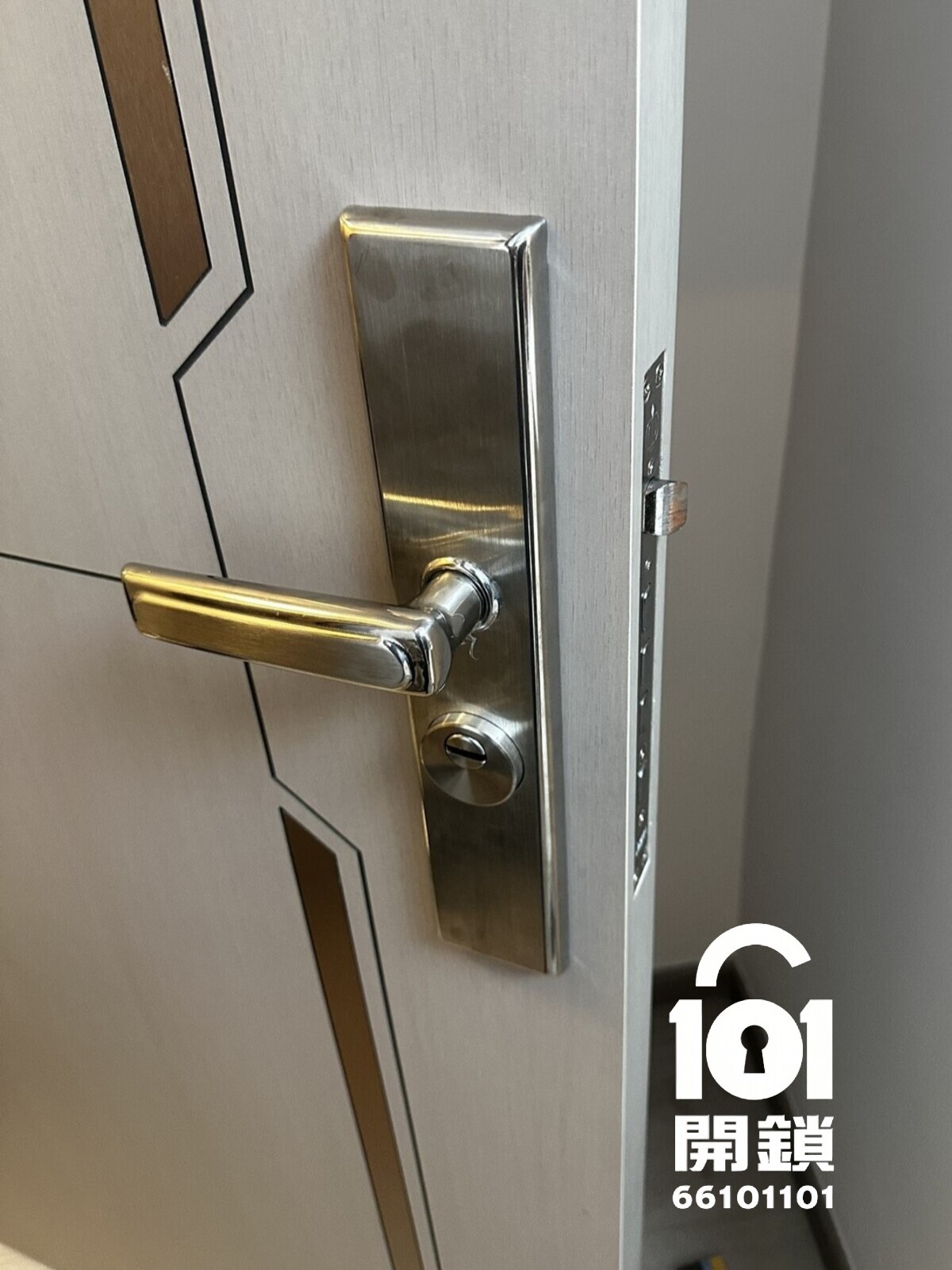
Central and Western District · Sai Ying Pun
Replace euro cylinder so old keys stop working
See the service reason, size checks and before/after photos.
View Sai Ying Pun cylinder replacement case →DIY euro cylinder / lock-body replacement notes
A euro cylinder can often be replaced separately, but the wrong size may not fit. Check these points before replacement:
Cylinder length must be precise
Euro cylinder length is split into two sides, outside and inside. Common markings include 30+30=60mm, 35+35=70mm, 40+40=80mm and 45+45=90mm. Door thickness and projection on both sides must be checked to avoid a cylinder that protrudes too much or sits too deep.
Lock-body backset and centre distance
For euro lock bodies, the backset, from cylinder centre to door edge, is commonly 60mm or 70mm. The handle-to-cylinder centre distance is commonly 72mm or 85mm. Confirm it matches the old lock body before purchase, otherwise existing door openings may not align.
Lock-body handing: left-hand / right-hand door
The latch bevel direction determines the handing. The wrong handing may stop the door closing, and forcing installation can cause damage.
FAQ
Are “euro profile lock” and “euro cylinder” the same thing?
In Hong Kong usage, “euro profile lock” often means a lock system using a euro profile cylinder. The actual lock can also include the lock body, plates, handles and linked mechanisms.
If the key will not turn, must the cylinder be replaced?
No. Door pressure, strike alignment, the cylinder or the lock body can cause similar symptoms. Avoid forcing the key and assess the real condition first.
Can replacing only the cylinder make old keys stop working?
If the new cylinder is correctly installed and operated with new keys, old keys for the original cylinder generally cannot open it. Test after completion to confirm.